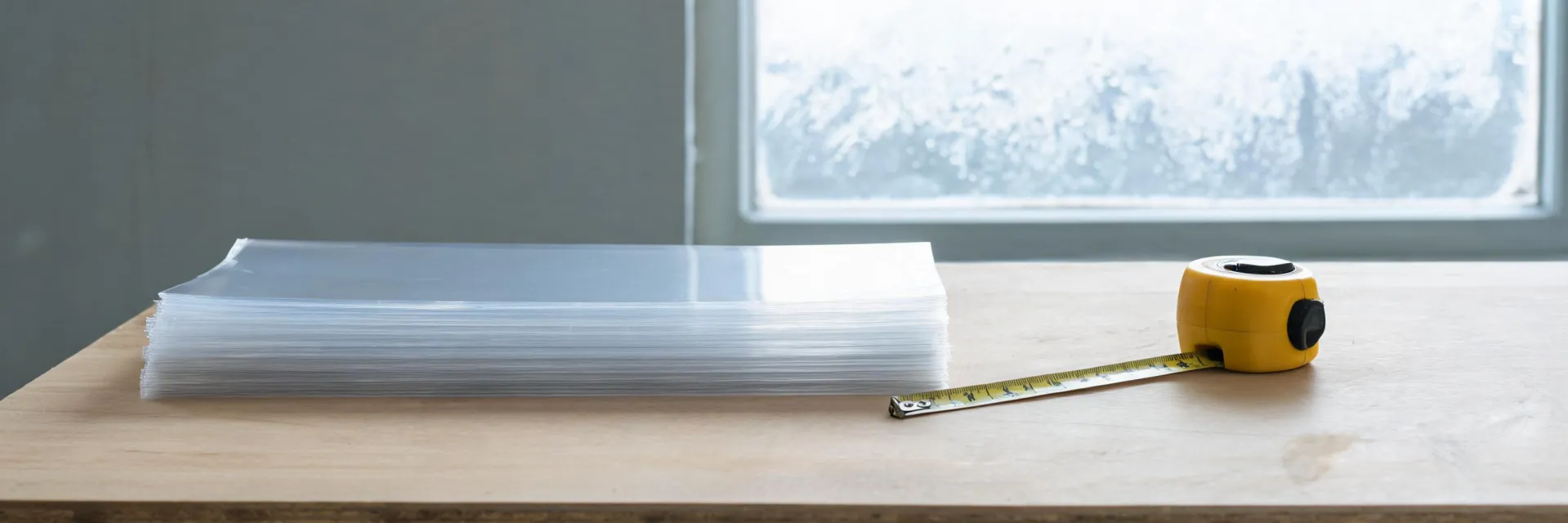
pet film sheet
Translate pet film sheet into purchase requirements, not a promised thermoformed tray or overlay result. PET Film Sourcing does not cut, print or install sheet in the United States. Density in g/cc or a grade designation has to be settled before the request goes out if that is how the buyer distinguishes the blank.
What the project is actually asking of the sheet
Tabs below group destination and site language buyers often send. They are not branch offices. The buyer still decides whether the line is a cut blank, a roll later sheeted at the plant, or a thicker-gauge plate.
Winter storage and indoor heated rooms change the handling window you ask the factory to state. Write °F or °C if the sheet will later see a heat cycle. A blank that sat in an unheated trailer is a condition field, not a defect story this desk can certify. Interleaf paper should be named if scratches are an acceptance rule.
Solvent wash-down or ink chemistry pushes the treatment question toward corona or a chemical primer. Food-contact files belong only when the receiving plant asked for them. This site will not pick a winner between a clear overlay and a treated print web without the medium list.
OEM drawings often name a blank size and a gauge in mils. Confirm whether the factory is quoting a cut pet film sheet or a roll the buyer will sheet later. Tensile strength, if requested, must cite ASTM D882 or the method the inspector will run.
Destination packing on a West Coast receiving dock still belongs on the offer. Carton marks, pallet height and whether sheets nest are commercial axes. Recycled-content claims, if asked, are a different line from virgin film.
Write the pet film sheet brief before anyone quotes a tray
Keep missing density or sheet size visible. Open the inquiry options if you still need to name a form, then send the list from the contact page.
- Blank size written separately from roll width
- Quantity against each sheet size
- Interleaf and pallet rules on the same page